
What Is a Business License?
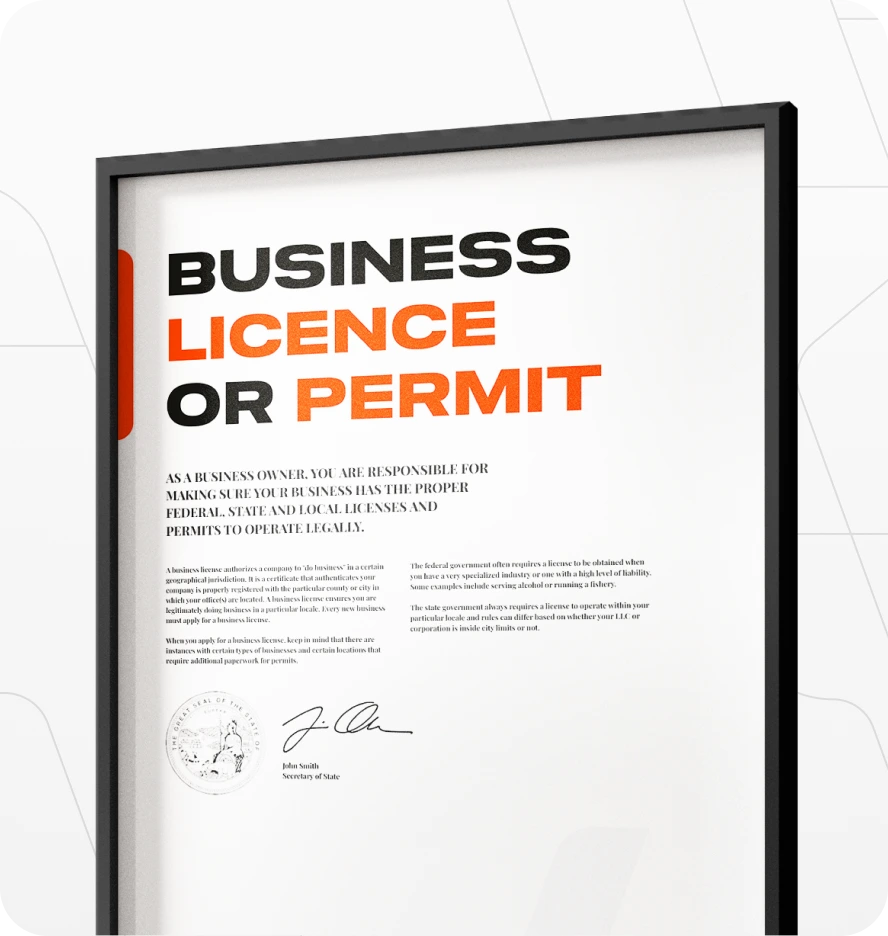
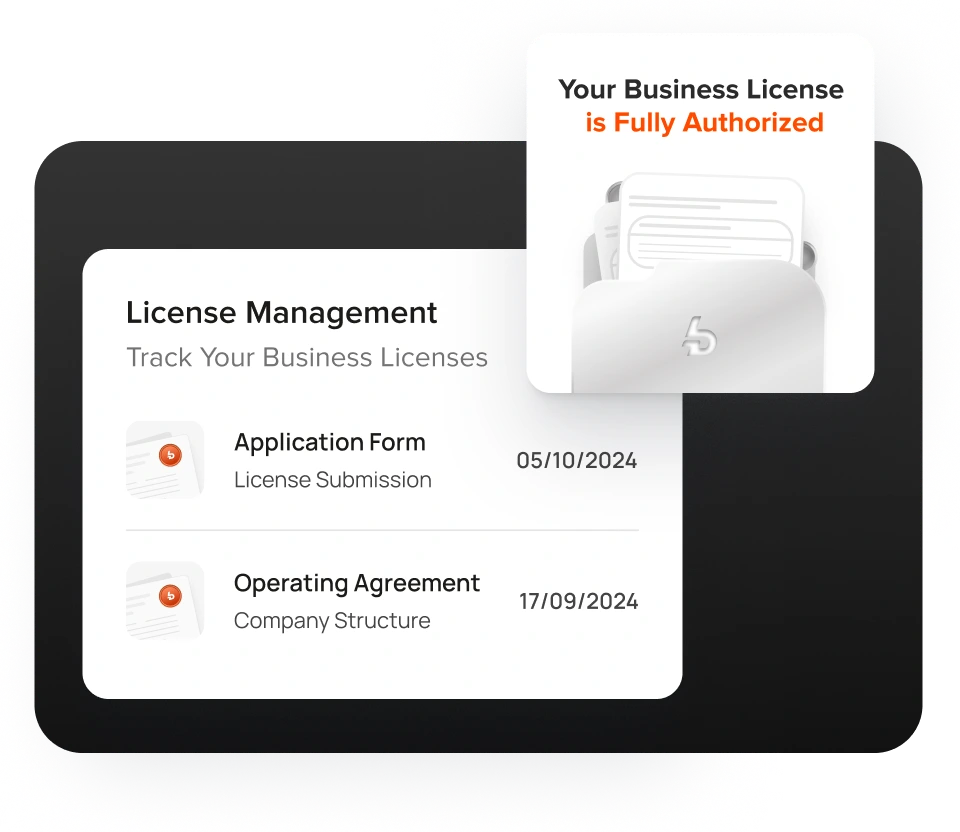
A business license is a government-issued authorization that allows individuals or companies to conduct business within a particular jurisdiction. Virtually every business — regardless of size or industry — needs some form of business license to operate legally.
Business licenses serve multiple purposes. They help governments track and regulate commercial activity, ensure public safety, and collect applicable taxes and fees. Without the proper licenses, your business may be subject to fines, forced closure, or other legal penalties.
The type of license you need depends on several factors, including the nature of your business, your location, and the specific activities you perform. That's why understanding the difference between a business license and a business permit is important for every entrepreneur.
What Is a Business Permit?
A business permit is similar to a license but is typically more specific in scope. While a general business license authorizes you to operate, a permit grants approval for a specific activity, location, or use. Common examples include a health permit for food service businesses, a building permit for construction, or a zoning permit to operate in a particular area.
Permits are often required in addition to — not instead of — a general business license. Depending on your industry and jurisdiction, you may need multiple permits alongside your business license. Failing to obtain the proper permits can result in costly fines and business interruptions.
Common Types of Business Permits
- Health and Safety Permits. Required for businesses that prepare, sell, or handle food products.
- Zoning Permits. Allow you to operate your business from a specific physical location.
- Building Permits. Required when making structural changes or constructing a new business facility.
- Sign Permits. Needed before displaying signage on your business property in many jurisdictions.
- Home Occupation Permits. Required in many areas for those running a business out of their home.
What Licenses and Permits are Needed to Start a Business?
The specific licenses and permits required to start a business vary widely depending on your location, industry, and business structure. However, most businesses need to address licensing at the federal, state, county, and city levels — each of which may have its own requirements.
At the most basic level, you'll need a general business license from your city or county. Beyond that, you may also need professional licenses, health permits, environmental permits, signage permits, and more depending on what your business does.
The challenge is that tracking down all these requirements across multiple government agencies and jurisdictions can be incredibly time-consuming. That's precisely where our Business License Research Package comes in. We do the legwork so you can focus on running your business.
Questions to Ask When Starting Out
- What city and county do I operate in?
- Does my state require a general business license?
- What industry-specific regulations apply to my business?
- Do I need any federal permits for my type of business?
- Does my business structure (LLC, Corporation, Sole Proprietor) affect my licensing requirements?
Seven Common Types of Business Licenses and Permits
While the full range of licenses and permits is broad, there are seven types that apply to the widest variety of businesses. Understanding these can give you a head start on your compliance journey.
General Business License
The most basic license required for virtually all businesses. It registers your business with local or state government and is usually renewed annually.
Professional or Occupational License
Required for certain professions such as doctors, lawyers, accountants, contractors, and real estate agents. These are issued by state licensing boards.
Sales Tax Permit
If your business sells physical goods, you likely need a sales tax permit (also called a seller's permit) to collect and remit sales tax to your state.
Health and Safety Permits
Restaurants, food trucks, salons, gyms, and other businesses that interact closely with the public often need health and safety inspections and permits.
Zoning and Land Use Permits
Ensure that your business location is properly zoned for your type of business activity. Crucial for retail, manufacturing, and home-based businesses.
Employer Identification Number (EIN)
While technically a federal tax ID, obtaining an EIN is often required as part of the licensing process, especially if you plan to hire employees.
Environmental Permits
Businesses that handle chemicals, produce waste, or affect air or water quality may need environmental permits from state or federal agencies.
Licensing and Permitting Differences Between States
One of the most challenging aspects of business licensing is that requirements differ significantly from state to state — and even from city to city within the same state. What's required in California may be completely different from what's required in Texas or New York.
Some states have a single, centralized business license; others require multiple licenses from different agencies. Some cities have strict local licensing requirements on top of state requirements, while others have minimal local regulations. Industries like food service, healthcare, childcare, and finance face especially complex, jurisdiction-specific requirements.
Because of this patchwork of regulations, it's nearly impossible for a new business owner to know for certain what they need without doing extensive research — or having experts do it for them. Our Business License Research Package is specifically designed to navigate this complexity on your behalf.
Did You Know?
Some states, like Nevada and Wyoming, are known for being business-friendly with fewer licensing requirements. Others, like California and New York, have some of the most complex regulatory environments in the country. Our research covers all 50 states.
A Note on Federal Permits
While most business licensing happens at the state and local level, some industries require federal permits or licenses as well. Businesses regulated by federal agencies must comply with their specific requirements regardless of state rules.
Industries that commonly require federal permits include:
- Agriculture. The USDA regulates businesses that sell plants and animals across state lines.
- Aviation. The FAA licenses commercial airlines and other aviation businesses.
- Alcohol, Tobacco, and Firearms. The ATF regulates manufacturers, dealers, and importers in these industries.
- Broadcasting. The FCC issues licenses to television and radio broadcasters.
- Fisheries. NOAA regulates commercial fishing operations in U.S. waters.
- Transportation. The DOT regulates interstate commercial trucking and other transport businesses.
Please Note
The information provided here is for general educational purposes only and should not be construed as legal advice. Business licensing requirements change frequently. We recommend consulting with a licensed attorney or compliance professional for your specific situation, or ordering our Business License Research Package for a customized compliance report.
Prepare Your Company for Success
Getting your business properly licensed isn't just about avoiding fines — it's about building a solid foundation for long-term growth. Operating without the necessary licenses exposes you to significant legal and financial risk, and it can undermine trust with customers, partners, and investors.
At StartBrandz, we understand that navigating the world of business licenses and permits is a challenge for most entrepreneurs. That's why we've created the Business License Research Package — to give you a comprehensive, customized report that takes the mystery out of compliance.
Order Your Research Package